
Pleasure Anatomy
External Pleasure Anatomy
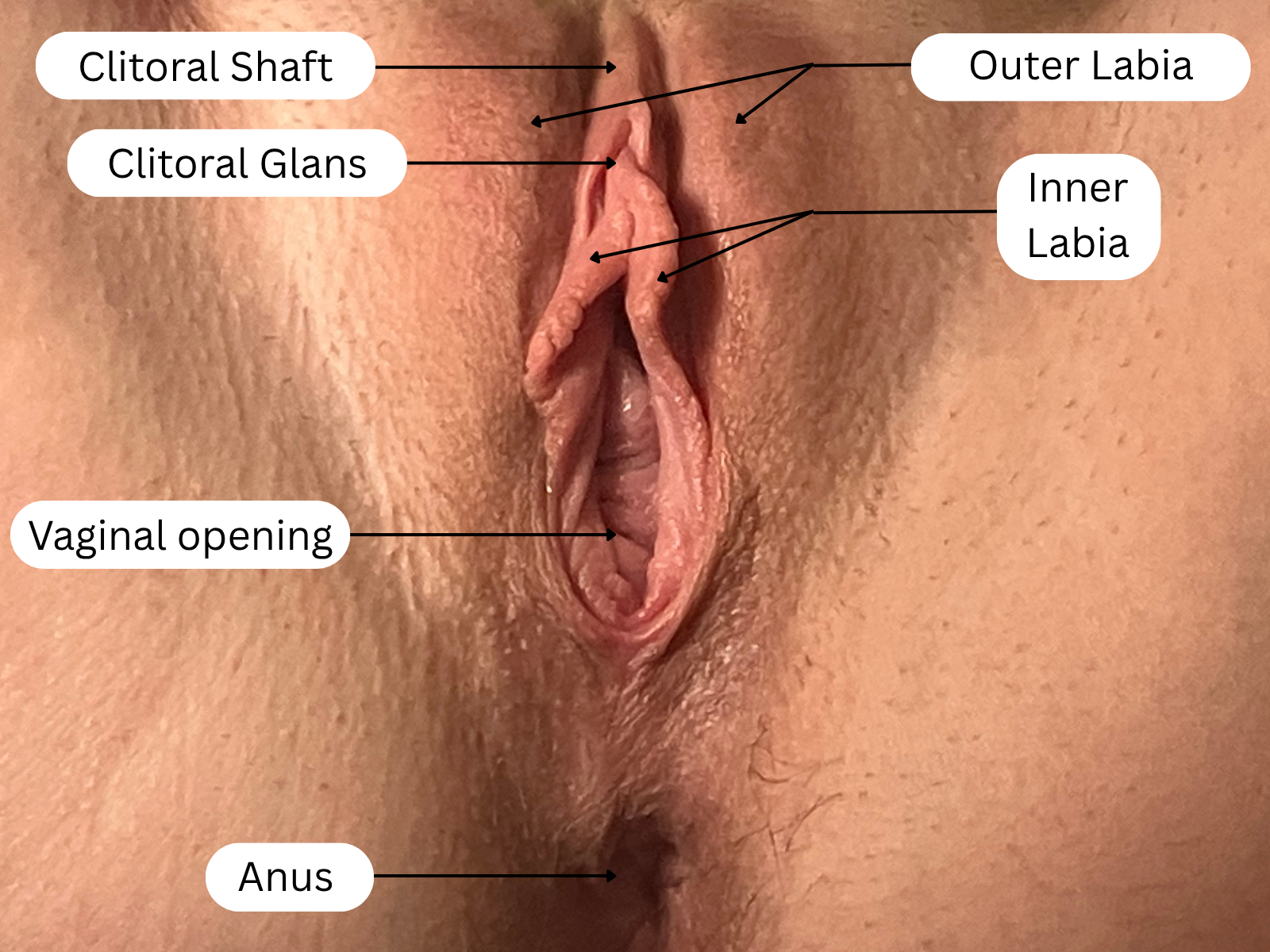
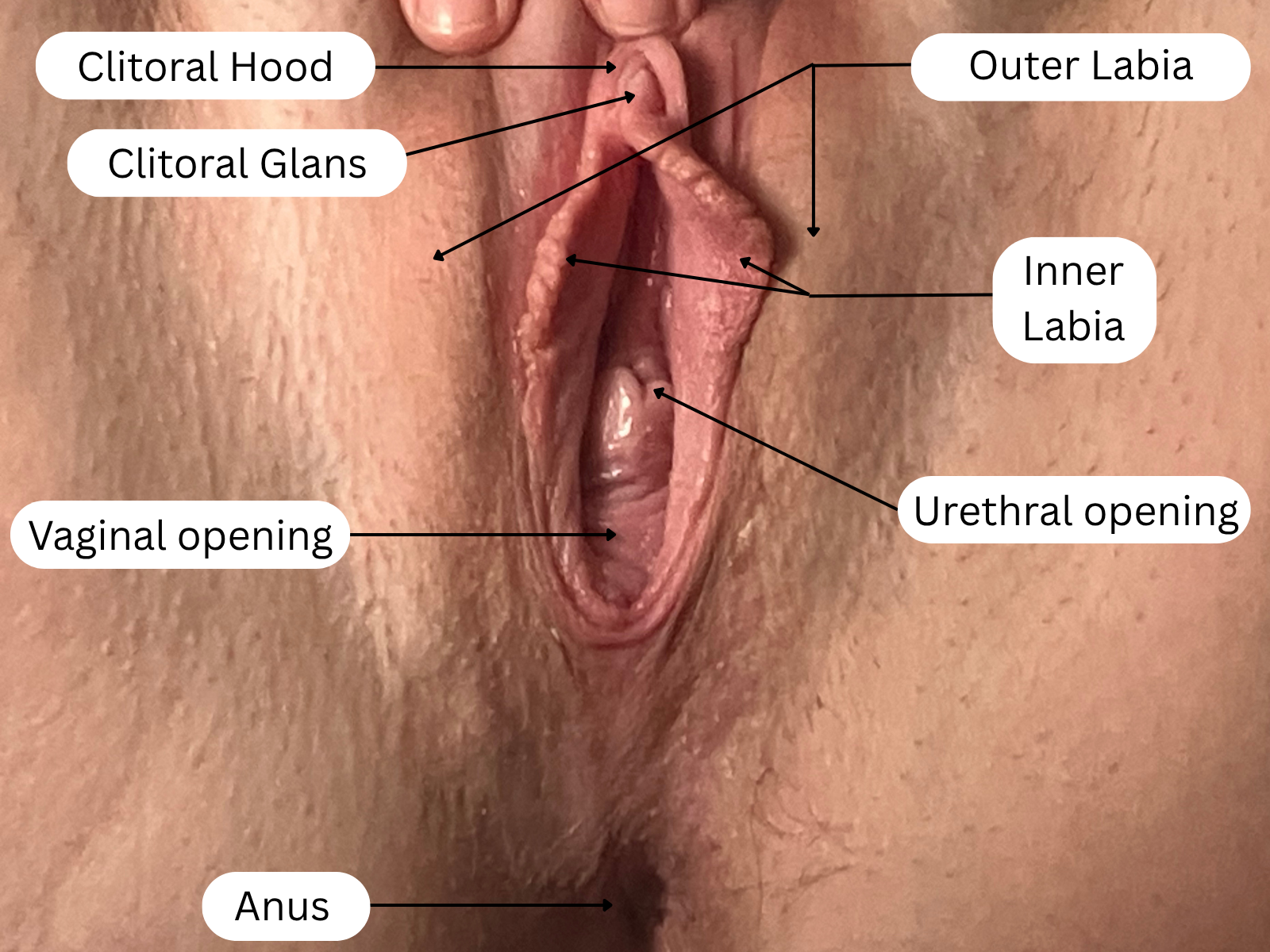
The external vulva contains some of the most densly innervated tissue involved in sexual pleasure. Sensation from the clitoral glans, labia, and surrounding structures is carried through branching nerve pathways that extend far beyond what we can see externally.
Internal Pleasure Anatomy
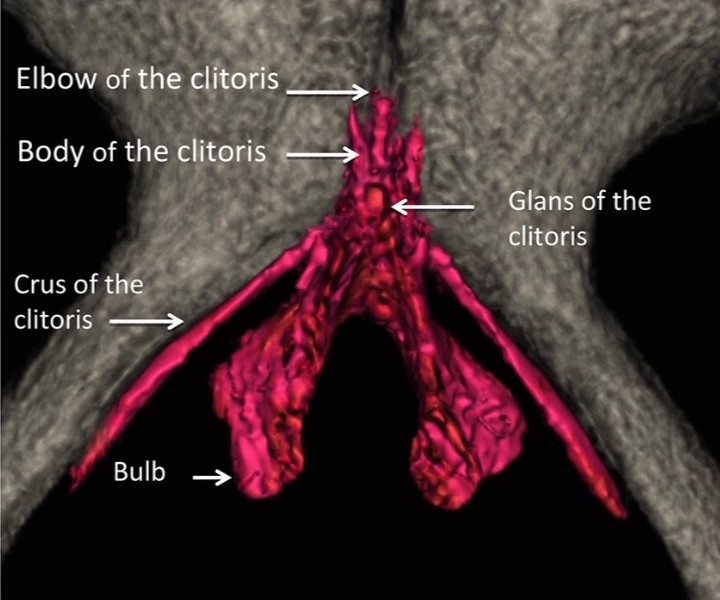
There is much more to the clitoris than what we can see.
Pictured here you can see an MRI scan of the full body of the clitoris. Much of the clitoris lies beneath the surface of the vulva, with bulb structures that extend around and hug the vaginal opening. Branching off as well are the legs of the clitoris which hold it to the pelvic bone. Seeing the full body of the clitoris internally helps us make sense of why pleasure can be felt across a much broader area than the small external glans.
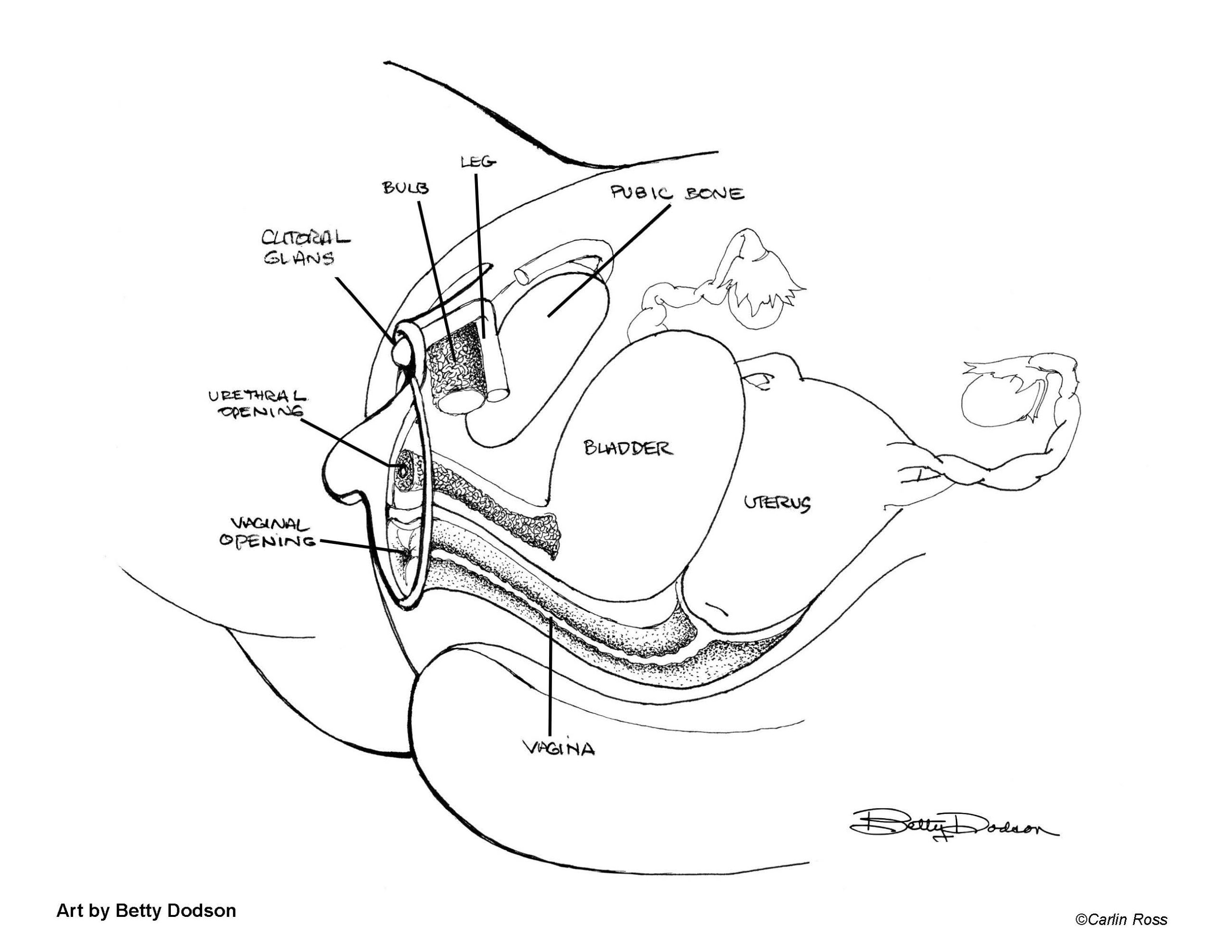
Clitoris in Pelvic bowl
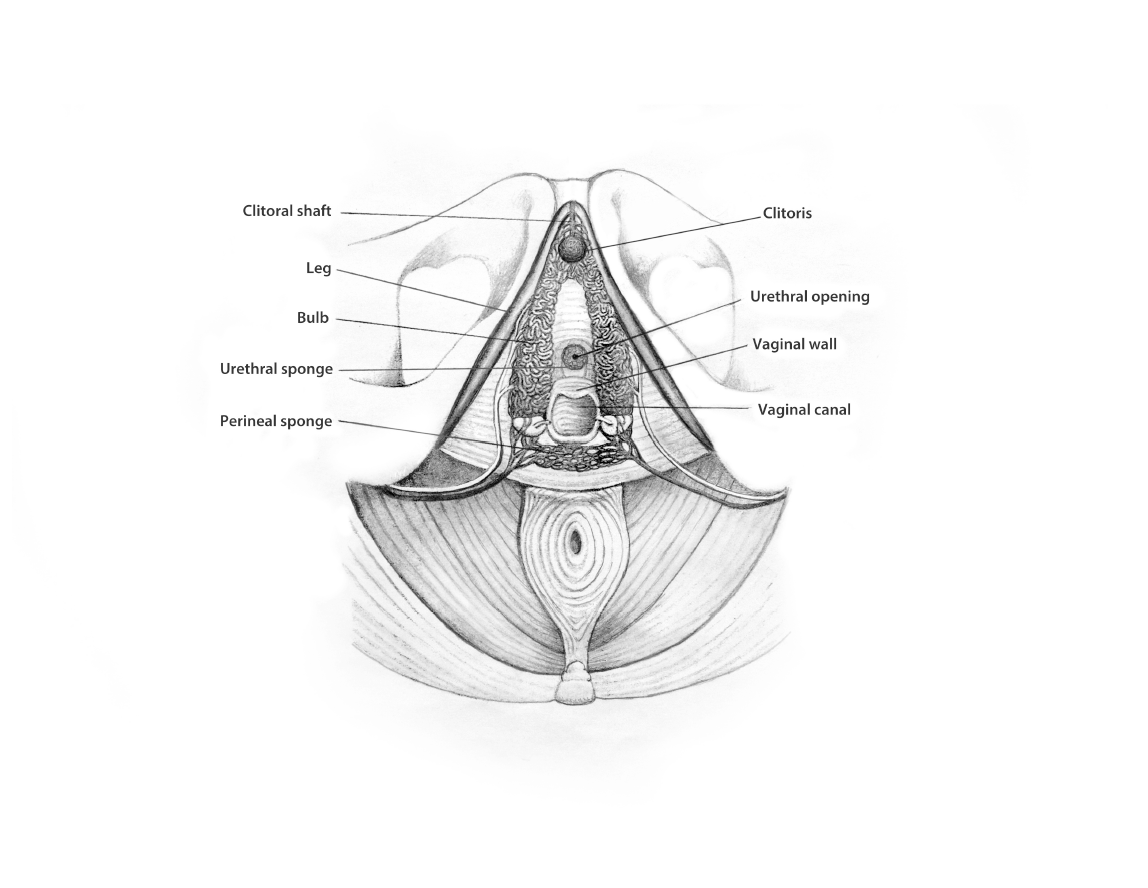
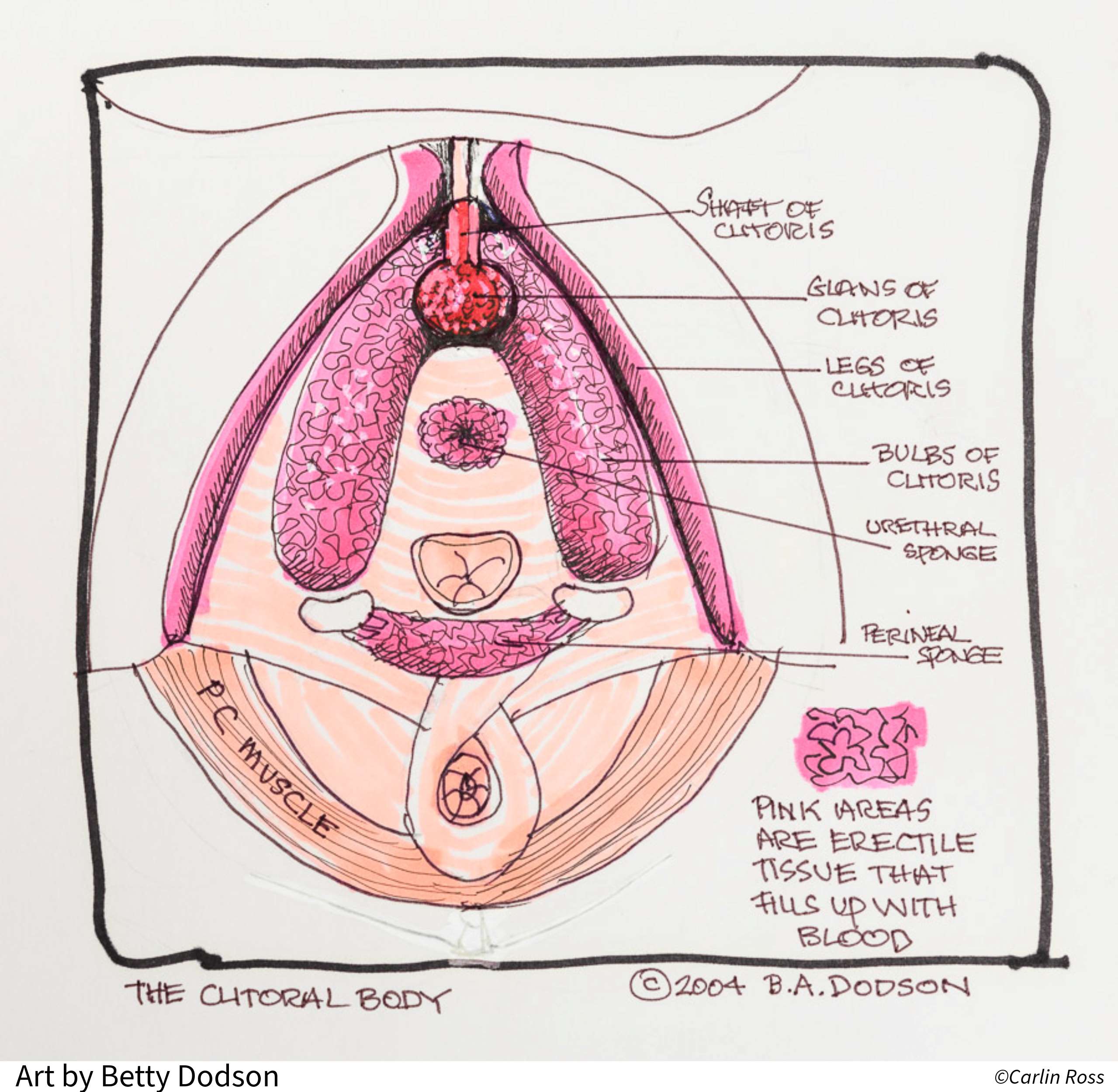
When hearing the word clitoris we often think of the external glans we can see externally. Internally it includes the clitoral legs and bulbs which are made of erectile tissue that becomes engorged during arousal/stimulation. All erectile tissue in this diagram is shown as the squiggly texture. We have just as much erectile tissue as men but most of it is internal. The clitoral shaft is also made of erectile tissue and can be felt by swiping your finger back and forth with firm pressure across it, sort of feels like a rubber band.
Urethral Sponge
The urethral sponge sits on top of the vaginal canal. You may know this structure as another name, as it is often referred to as the G-spot. We don’t use the term here because there is no single anatomical “spot” to find. What people have called the G-spot is better articulated as a broad area involving the urethral sponge, clitoral structures, erectile tissue, and surrounding nerves. Betty hated the term G-spot because it turned a complex area of anatomy into a treasure hunt back inside the vaginal canal and created a lot of unnecessary pressure and confusion.
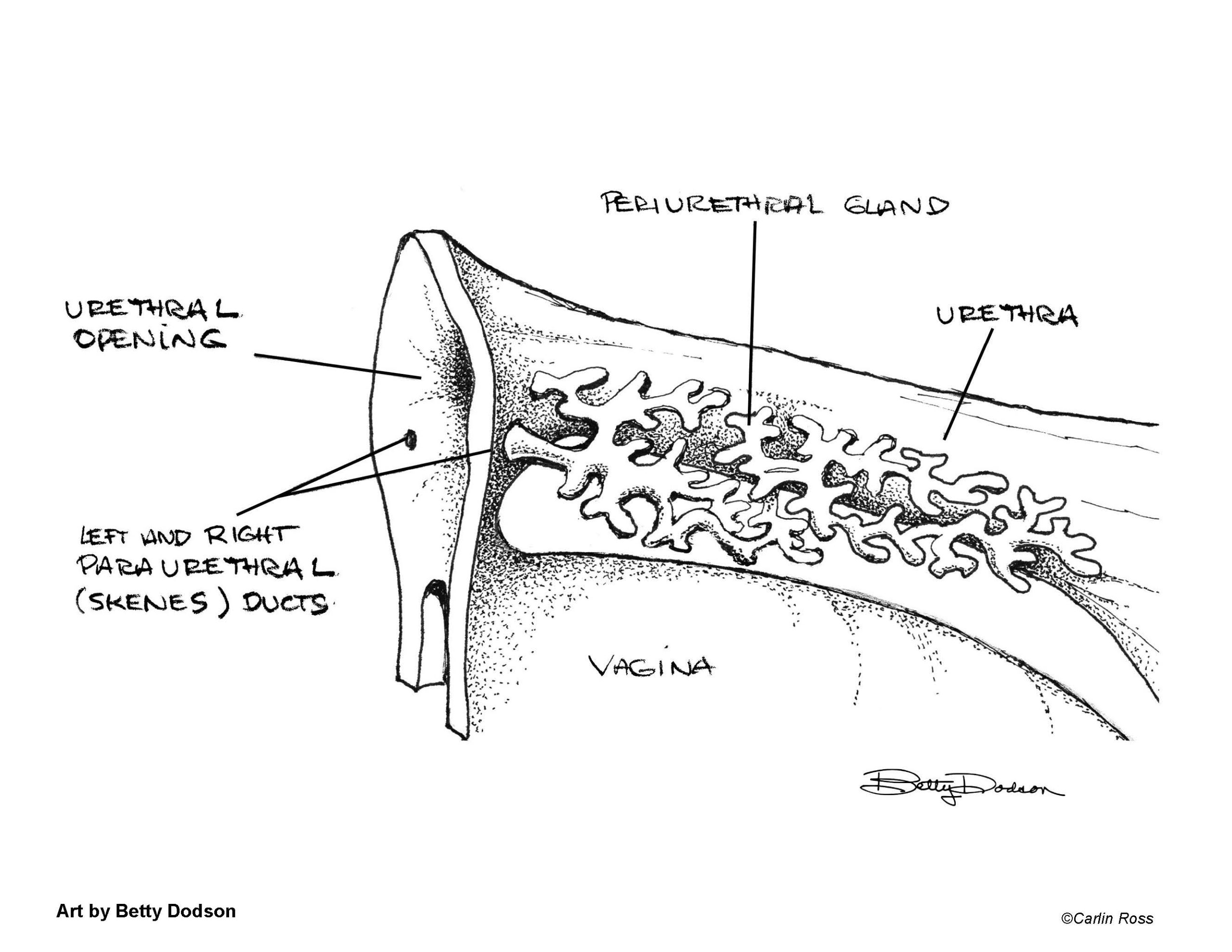
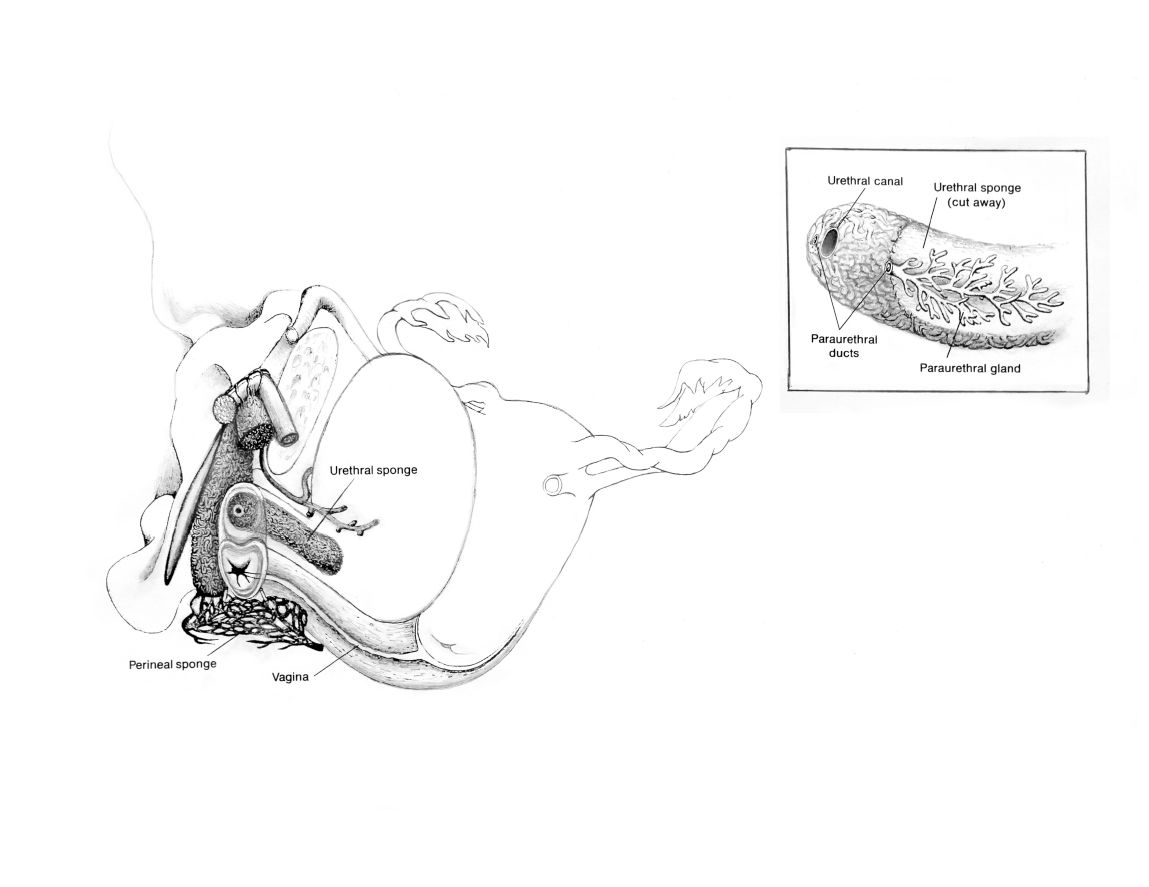
Urethral Sponge Up Close
Within the urethral sponge are the paraurethral, or Skene’s glands, sometimes called the female prostate beacuse they produce prostatic specific antigen. They typically hold about a teaspoon of liquid which can be released through the urethra at any time. This is commonly called female ejaculation.
It’s extremely important to clarify that female ejaculation is sepearte from orgasm. It can happen with orgasm, without orgasm or not at all. Betty objected strongly to making ejaculation into a sexual achievement because it recreates the male model of ejaculation as proof that orgasm happened. The female model of sexual response is much more complex including our ability to have multiple orgasms.
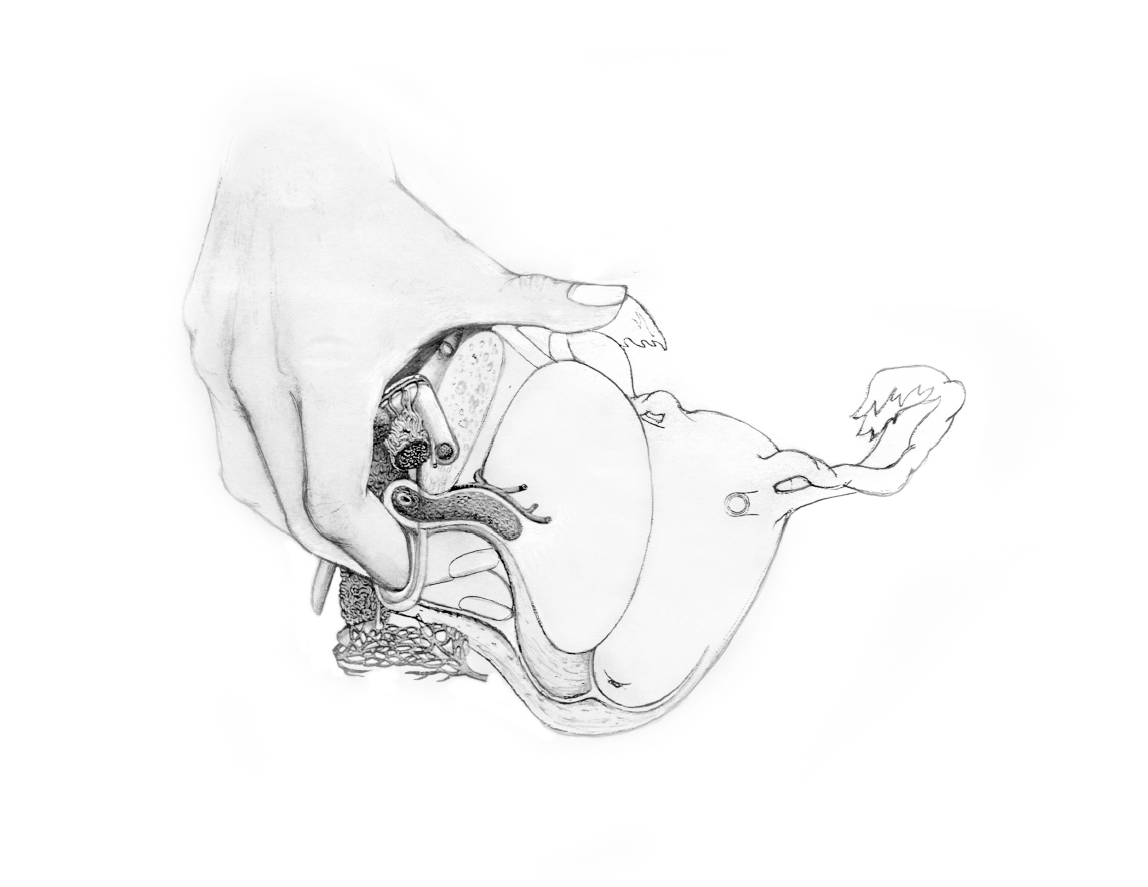
Urethral Sponge With Penetration
Below is an example of penetration with fingers. You can see the fingers pressing on the urethral sponge. Take your fingers insert them about an inch or two and move your finger from side to side while pressing up towards the ceiling of your vagina. You should notice a hump of tissue your finger passes over. You may or may not notice much sensation here and that may change based on your arousal. Notice how the bladder is sitting right behind the urethral sponge, that’s why when stimulating this area it can make you feel like you need to pee.
Erectile Tissue
As mentioned before the erectile tissue shown as squiggly pink in this diagram fills with blood and becomes erect. It often take a woman about 20-30 minutes or clitoral stimulation for the entirity of the clitoral system to achieve full erection. The clitoris does not loose it’s erection after orgasm, like the male penis. And we are capable of multiple orgasms.
Pelvic Floor Muscles
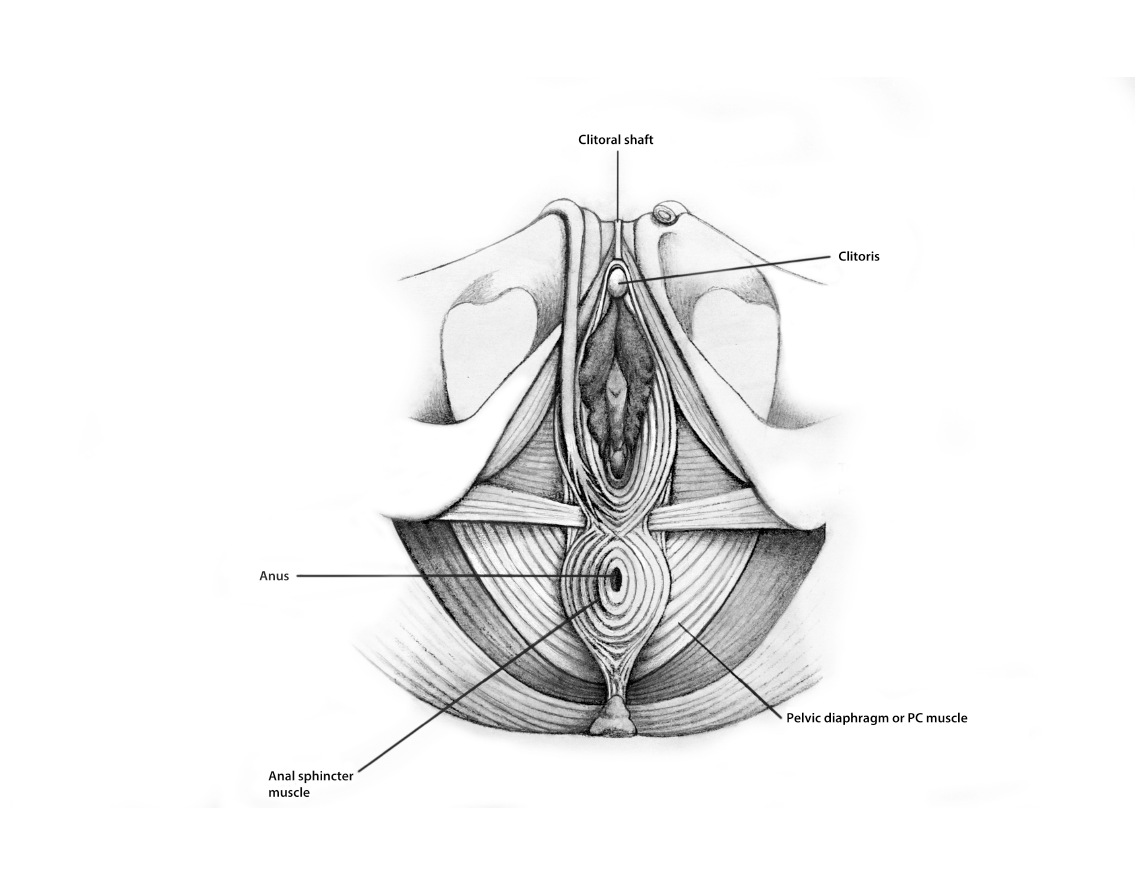
Your pelvic floor muscles are essential to your orgasm. As you can see pictured below the pelvic muscles wrap around the entirity of the sexual organs and then some. When we squeeze and release our pelvic floor muscles (pc muscles) we are bringing blood flow to our entire sex organ. The muscles surround our clitoris, vaginal opening and anus all interconnected. Clitoral stimulation coupled with penetration while squeezing and releasing your pelvic floor muscle is how we achieve multiple orgasms.
Ready to explore your own anatomy?
Take what you’ve learned here into your own body with a guided genital show and tell. You’ll be guided through looking at your vulva, identifying your anatomy, and getting more familiar with your own unique variation.